Frost dates & planting calendars
Plant on time,
not on a hunch.
Plan with supported NOAA station records, or enter local frost dates to build your own planting calendar.
2357 station locations available. Search a city or station name; not every town is represented. Outside coverage? Use your own frost dates.
Coverage is limited to the named stations in the lookup. Check local forecasts and garden conditions.
Find your frost dates
Median spring and fall freeze dates for a supported station, plus more cautious planning dates.
Read your season
One strip shows the whole year: frost risk, the uncertain weeks, and your growing season.
Plant each crop on time
When to start seeds indoors, when to plant out, and when to sow a fall crop.
Plan your next planting
Use your own dates for seed starting, fall harvest deadlines, repeated sowings and seed-tray quantities.
Growing guides
All guidesWhen to Plant Basil Outside: Nights, Soil, Frost Dates
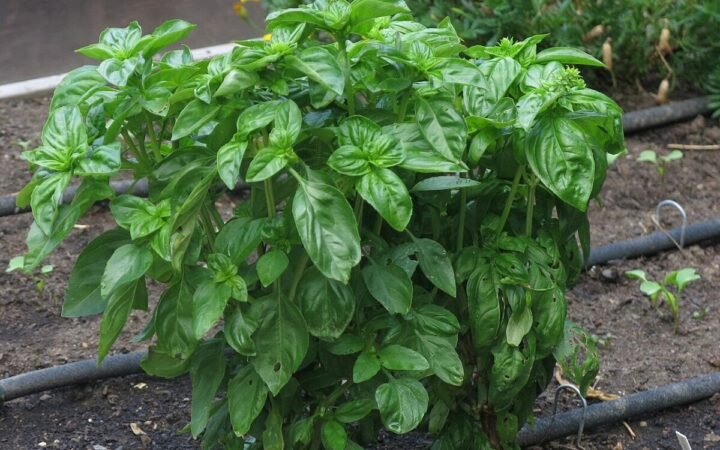
Plant basil outside after your last frost, once nights stay above 50°F. See where extension sources differ, plus date math and a cold-snap fix.
GuidesWhen to Plant Sweet Potatoes: Soil, Nights, First Frost

Plant sweet potato slips after the last frost, once soil is 65°F. See where five extension sources differ and count back from your first frost.
GuidesWhen to Plant Pumpkins: Count Back From Halloween
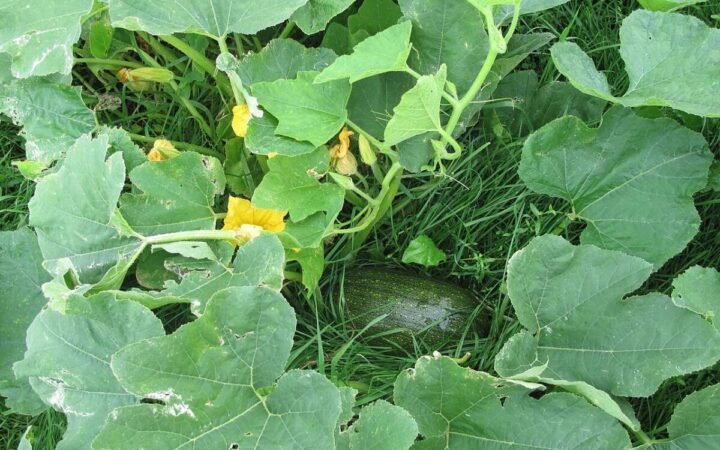
Plant pumpkins after the last frost, once soil hits 65°F. See extension dates from May to July, a day-count method and a worked Halloween example.
GuidesWhen to Plant Watermelon: Soil, Frost and Seed Dates
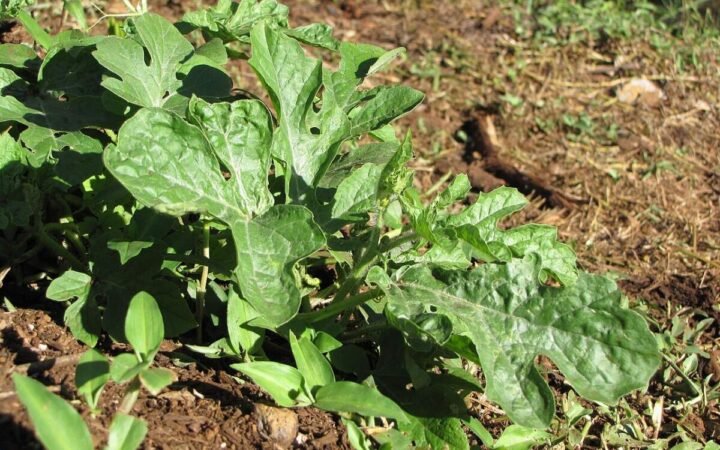
Plant watermelon after the last frost, once soil is 60 to 65°F. Compare six extension sources on transplants, seed dates and the last safe day to plant.
GuidesWhen to Bring Plants Inside for Winter: Temps and Steps
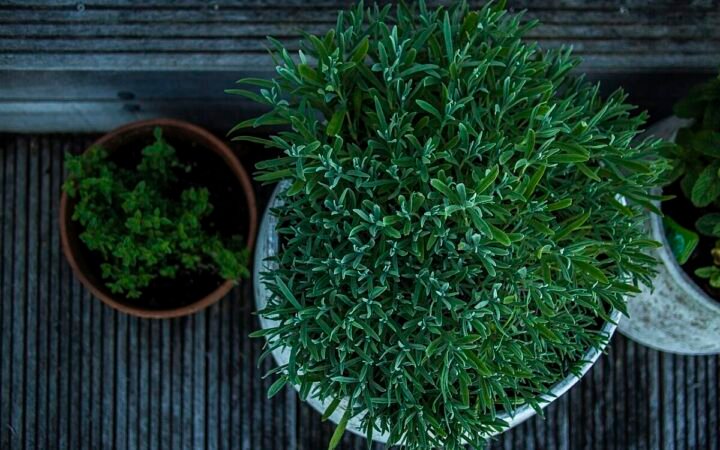
Bring tender potted plants in before nights fall below 50°F. See what six extension sources say about 45, 50 and 55°F, plus pest checks and quarantine.
GuidesWhen to Plant Eggplant: Transplant Timing After Last Frost
Eggplant is one of the most cold-sensitive garden vegetables, so the question is how long to wait after the last frost, not how early you can…
GuidesWhen to Plant Radishes: Spring, Succession and Fall Dates
Radishes are among the fastest crops in the garden and prefer cool weather, so timing is about avoiding heat at both ends of the season. This…
GuidesWhen to Plant Beets: Frost-Date Timing for Spring and Fall
Beets are a cool-season root crop that handles frost, so they go in early in spring and again in late summer. University sources give a range…
GuidesWhen to Plant Cabbage: Spring Transplants and Fall Timing
Cabbage is a cool-season crop that tolerates frost once established, so spring plantings go out before the last frost and fall plantings are timed to mature…
GuidesWhen to Plant Onions: Sets, Transplants and Seeds
Onions want an early start because bulb size depends on how much leaf the plant grows before bulbing begins. The right date depends on whether you…
GuidesWhen to Plant Kale: Spring and Fall Planting Dates
Kale handles cold well and often tastes better after frost, so it suits both a spring and a fall planting. This guide uses extension sources to…
GuidesWhen to Plant Carrots: Frost-Date Timing Guide
Carrots are sown directly into the garden, they germinate slowly, and they tolerate light frost, so timing is about soil temperature as much as the calendar.…
GuidesWhen to Plant Broccoli: Spring and Fall Timing
Broccoli is a cool-season crop that is usually grown from transplants, and timing it well means heads form before heat arrives. This guide uses extension publications…
GuidesWhen to Plant Lettuce: Spring and Fall Dates by Frost Date
Lettuce is one of the first crops you can sow in spring, and the timing comes down to your average last frost date and how fast…
GuidesWhen to Plant Spinach: Spring and Fall Timing Guide
Spinach is a cool-season crop, and most failures come from planting too late in spring or sowing into summer heat. Extension sources agree on the basics…
GuidesWhen to Plant Peas: Early, but Not in Frozen Soil
Plant peas 2 to 4 weeks before your average last frost, once soil reaches 40 to 50°F. See the date math, a worked example, and fall timing.